AegisAI
Autonomous Cyber Defense System & Machine Learning IPS.
/ What It Is
A 100% offline, autonomous cyber defense suite. AegisAI actively detects, classifies, and neutralizes threats using trained ML models, requiring no cloud dependencies or external APIs.
/ The Problem
Traditional firewalls rely on static signature databases easily bypassed by zero-day attacks. Manual incident response is too slow to map complex kill chains or stop automated volumetric threats.
/ The Solution
By loading Isolation and Random Forest models into memory, Aegis evaluates live packets to catch 10 distinct attack vectors, severing sockets and auto-generating mitigation playbooks.
Applications
Identifies volumetric traffic spikes via Isolation Forest and connection anomalies. Enforces rate limits, CAPTCHA gates, and physical Null Routing before servers crash.
Deploys interactive DMZ honeypots to trap attackers. Builds deep Threat DNA profiles including the attacker's Motivation, Skill Level, Operator Type, and OPSEC Rating.
Utilizes TF-IDF and Naive Bayes to classify semantic indicators in emails, while behavioral watchers hash files to catch Trojans and auto-quarantine supply chain dependencies.
Tech Stack
System Architecture
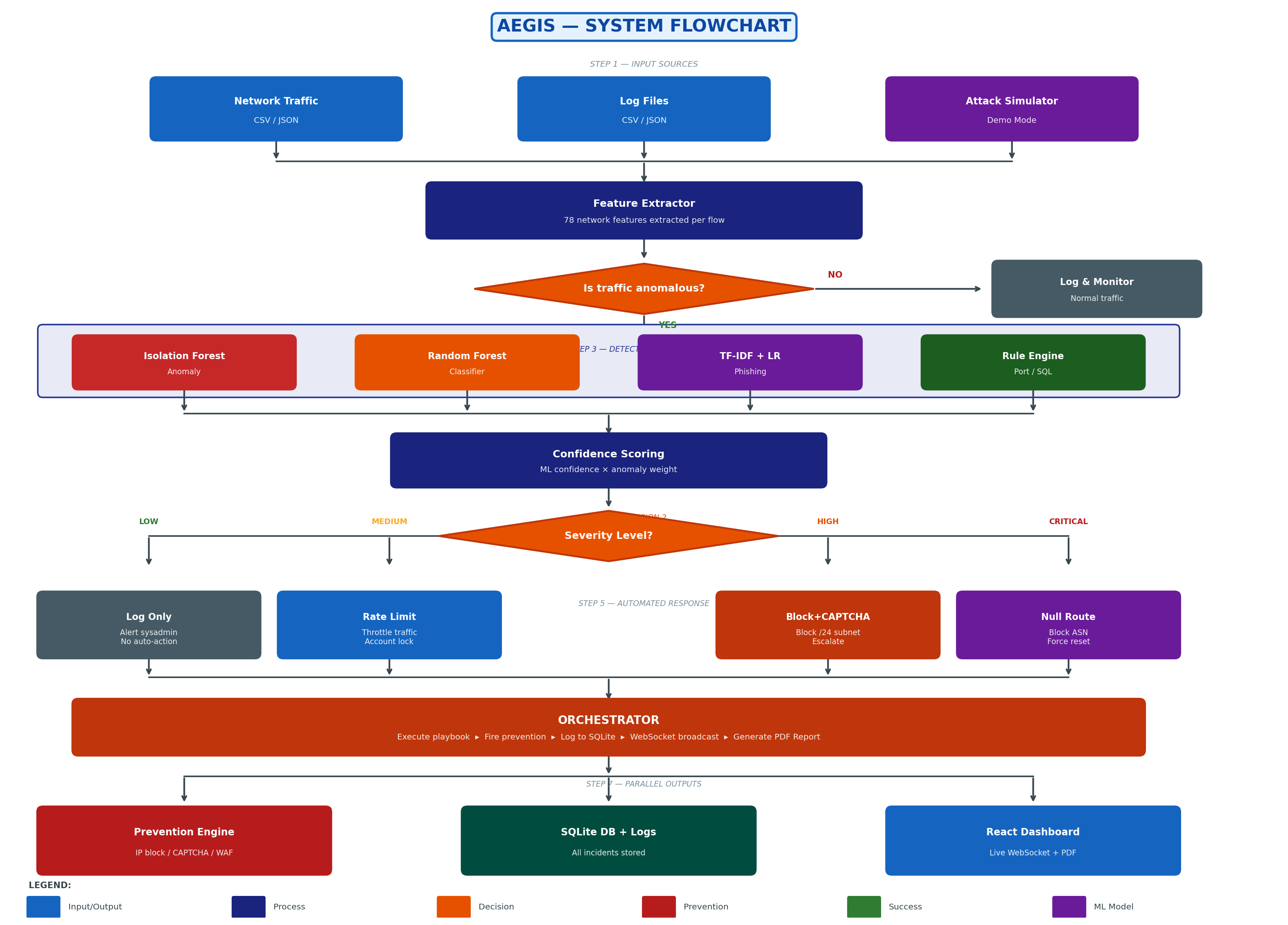
Fig 1: Data pipeline from raw packet extraction to active socket mitigation.
How It Works: The Execution Lifecycle
Raw network traffic and log files are ingested locally. A Python module instantly processes the raw TCP/UDP packets into a structured NumPy array containing exactly 78 distinct network features (e.g., Flow Duration, Fwd Packet Length Std, ACK Flag Count).
The structured data is fed into the loaded Isolation Forest model. The model asks: "Is this traffic mathematically abnormal compared to our baseline?" If the generated anomaly score drops below the safety threshold, the packet is flagged for deep inspection.
Flagged traffic routes to the Random Forest classifier, which determines the specific attack signature (e.g., "DDoS") and assigns a confidence percentage. Simultaneously, parallel rule engines scan for non-ML threats like SQL injections or unauthorized port scanning.
The central Orchestrator cross-references the anomaly score and classification confidence to dynamically calculate a final Severity Score (Low to Critical). Based on this score, it retrieves the precise mitigation playbook.
The system executes the playbook—physically severing malicious TCP sockets, updating the local SQLite blacklist, and broadcasting the incident via WebSockets to the frontend dashboard for instant security team visibility.
Machine Learning Pipeline
Model I: Isolation Forest (Zero-Day Detection)
Trained exclusively on 'BENIGN' traffic from the industry-standard CICIDS2017 Dataset. The Isolation Forest parses 78 distinct network flow features (like `Flow Bytes/s`, `Init_Win_bytes_forward`) to learn the exact mathematical bounds of "normal" traffic.
By detecting deviation rather than matching signatures, this model successfully flags zero-day exploits we have never seen before.
Model II: Random Forest Classifier
Once the Isolation Forest scores an anomaly below
-0.1, the packet data is handed off to a 200-tree Random
Forest classifier. This model categorizes the anomaly into 8 specific attack vectors with a staggering
97-99% accuracy.
The engine computes a strict severity matrix dynamically. For example, a
Critical alert is fired only when confidence >= 0.9 AND anomaly_score <= -0.5.
Model III: NLP Phishing Scanner
A specialized Natural Language Processing module utilizing TF-IDF + Logistic Regression. It analyzes email text for semantic red flags (e.g., "urgent", "suspended") and evaluates URLs using regex for typosquatting or bare IPs.
It outputs highly structured JSON identifying the exact signals found and triggering automatic SMTP quarantines.
Active Prevention Matrix
Aegis operates a dynamic rule engine that dictates
physical mitigation responses based on the attack type and calculated severity. It doesn't just monitor; it
actively severs TCP sockets via conn.close().
| Vector | Severity | Automated Response Action |
|---|---|---|
| DDoS | Critical | Null routing + Block entire ASN + Edge proxy alert |
| BruteForce | High | Account lockout + Dynamic IP ban + Terminate sessions |
| Phishing | Any | Quarantine email + Warn recipients + DNS Blocklist |
| Insider Threat | High | Revoke session + Lock AD Account + Audit log dump |
| Honeypot Trigger | Any | Immediate IP Blacklist + Build Threat DNA Profile |
WebSocket Telemetry & Preact Dashboard
A bidirectional ws://
WebSocket tunnel connects the FastAPI engine directly to a glassmorphism Preact dashboard. High-frequency
JSON payloads (like traffic_update and attack_chain_prediction) drive a 60-FPS
Recharts visualization and a live Threat Feed, completely bypassing the latency of REST polling.
Open for Contributions
The AegisAI suite is entirely open source. Pull requests, model optimizations, and security audits are actively welcomed.
View Source